
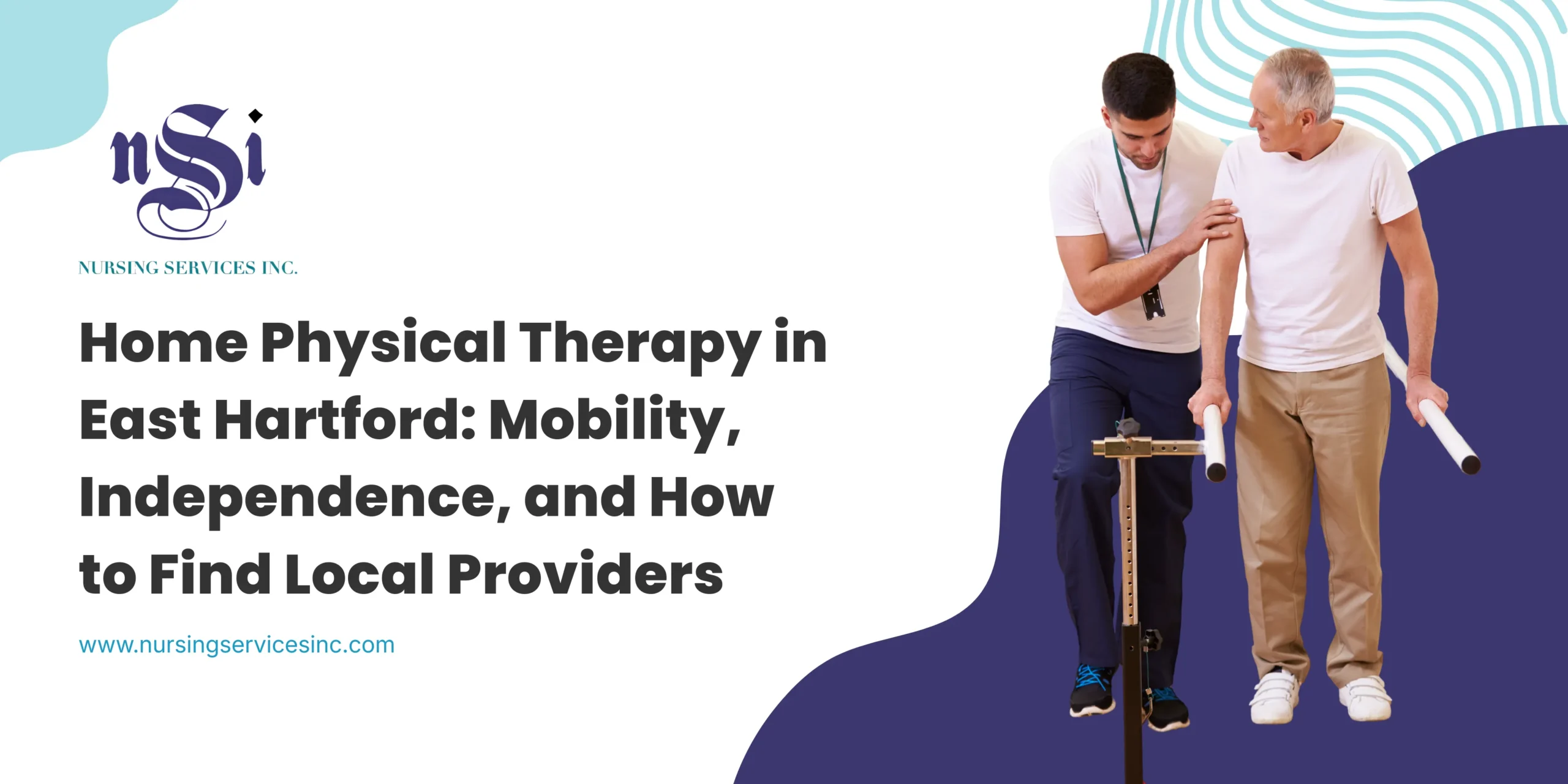
Recovering from surgery, injury, or illness can become much more manageable when therapy takes place at home. For many families in East Hartford, home physical therapy offers a practical way to improve mobility while avoiding the stress of frequent clinic visits. It also allows patients to recover in familiar surroundings where routines feel more comfortable and personalized. As healthcare continues shifting toward home-based support, more seniors and adults with mobility challenges are choosing in-home rehabilitation services to maintain independence safely.
Why Home Physical Therapy Is Growing Across East Hartford
Home physical therapy has become increasingly popular throughout Hartford County because it combines rehabilitation with convenience. Patients receive one-on-one support without transportation barriers or crowded waiting rooms. This type of care is especially valuable for seniors, post-surgical patients, and individuals managing chronic conditions that affect movement and balance.
Convenient recovery: Therapy sessions happen directly at home
Improved consistency: Patients are more likely to complete treatment plans
Safer mobility training: Exercises are tailored to the actual home environment
What Home Physical Therapy Typically Includes
In-home physical therapy focuses on restoring strength, movement, balance, and physical function. Licensed therapists create personalized plans designed around each patient’s health condition and recovery goals.
At Nursing Services Inc., Physical Therapy services are tailored to help patients regain confidence and improve day-to-day mobility.
Strength exercises: Improve muscle control and endurance
Balance training: Reduce fall risks inside the home
Mobility support: Help patients walk, transfer, and move safely
Who Benefits Most From In-Home Physical Therapy
Home physical therapy supports many different age groups and medical situations. While seniors commonly use these services, younger adults recovering from injury or surgery may also benefit from home-based rehabilitation.
Patients who struggle with transportation or mobility limitations often find home therapy more practical than outpatient visits.
Post-surgical patients: Recovery support after joint replacement or hospitalization
Older adults: Improved safety and fall prevention for aging individuals
Chronic condition management: Therapy for arthritis, stroke recovery, or neurological conditions
How In-Home Therapy Improves Daily Independence
One major advantage of home therapy is that exercises are performed within the patient’s actual living environment. Therapists can identify mobility challenges directly inside the home and recommend safer movement strategies.
This personalized approach often improves long-term independence and confidence.
Stair navigation training: Helps patients move safely between floors
Bathroom safety guidance: Reduces slipping and transfer risks
Functional movement practice: Supports real-life daily activities
The Step-by-Step Process of Starting Home Physical Therapy
Beginning home therapy usually involves several stages to ensure treatment plans are effective and medically appropriate. Providers coordinate with physicians, caregivers, and patients throughout the process.
Understanding these steps helps families know what to expect before services begin.
Initial evaluation: Therapists assess strength, mobility, and recovery goals
Customized care planning: Exercises are tailored to patient’s needs
Routine therapy visits: Sessions focus on gradual progress and safety
Ongoing reassessment: Treatment plans adjust as recovery improves
Comparing Home Physical Therapy With Outpatient Clinics
Both home-based and outpatient therapy can improve recovery outcomes, but each setting serves different needs. Home therapy often works best for individuals with mobility restrictions or transportation challenges.
Outpatient clinics may provide additional equipment, though in-home sessions offer more personalized environmental training.
Home therapy benefits: Greater convenience and individualized attention
Clinic advantages: Access to larger rehabilitation equipment
Transportation factors: Home therapy eliminates travel stress and scheduling difficulties
Cost Factors for Home Physical Therapy in East Hartford
The cost of home physical therapy depends on insurance coverage, session frequency, and treatment complexity. Medicare and private insurance plans may cover medically necessary therapy services when prescribed by a physician.
Families should also consider scheduling flexibility and long-term rehabilitation needs.
Insurance eligibility: Coverage varies by diagnosis and provider requirements
Session frequency: Multiple weekly visits may affect total costs
Care coordination: Combined therapy and nursing plans can influence pricing
According to the Centers for Medicare & Medicaid Services, home health therapy coverage typically requires physician oversight and documented medical necessity.
Services That Often Work Alongside Physical Therapy
Many patients benefit from combining physical therapy with additional home healthcare support. Coordinated care helps maintain consistency while improving overall recovery outcomes. Nursing Services Inc. often integrates therapy plans with other in-home services depending on the patient’s condition.
Personal care support: Home Health Aide services assist with daily routines during recovery
Medical oversight: Skilled Nursing Care supports medication management and monitoring
Daily activity support: Therapy exercises become easier with caregiver assistance
Common Mobility Challenges Seen During Recovery
Patients recovering at home often face physical limitations that affect routine activities. Identifying these challenges early can help prevent setbacks and reduce injury risks. Therapists focus on practical movement improvements rather than isolated exercises alone.
Weak leg strength: Makes walking and standing difficult
Limited balance: Increases fall risks around the home
Joint stiffness: Restricts daily movement and flexibility
Mistakes Families Should Avoid During Home Recovery
Recovery outcomes often depend on consistency, safety, and proper support. Some families unintentionally delay progress by overlooking mobility concerns or skipping recommended exercises. Small mistakes can increase recovery time and frustration.
Ignoring fall hazards: Loose rugs and clutter create safety risks
Skipping therapy routines: Missed exercises slow progress
Overexertion: Pushing too hard can lead to reinjury or fatigue
How East Hartford Residents Benefit From Local Home Therapy Providers
Working with local providers often improves scheduling flexibility, response times, and continuity of care. Therapists familiar with East Hartford and nearby communities can better coordinate home visits efficiently. Local healthcare providers also understand regional hospital systems and discharge planning processes.
Patients and families can review nearby coverage areas through the service areas page to learn where services are available across Hartford County.
Best Practices for Choosing a Home Physical Therapy Provider
Finding the right provider involves more than checking availability. Families should evaluate experience, communication, licensing, and how personalized treatment plans are developed.
A strong provider relationship often improves patient motivation and consistency in recovery.
Verify credentials: Ensure therapists are properly licensed in Connecticut
Ask about communication: Clear updates help families stay informed
Review care flexibility: Customized scheduling improves long-term participation
For additional provider information and local patient feedback, families can explore this community resource: Nursing Services Inc. Google Profile
Frequently Asked Questions About Home Physical Therapy in East Hartford
Families often have questions before arranging in-home rehabilitation services. These answers help explain what patients can expect during home therapy.
How does home physical therapy work?
A licensed therapist visits the patient’s home to provide personalized exercises, mobility training, and recovery support. Treatment plans are adjusted based on progress and medical needs.
Who qualifies for home physical therapy services?
Patients recovering from surgery, illness, injury, or mobility decline may qualify if a physician recommends home-based therapy. Insurance requirements can vary depending on the provider and diagnosis.
Does Medicare cover home physical therapy?
Medicare may cover medically necessary home therapy services when ordered by a physician and provided through an approved home health agency.
Can physical therapy help seniors stay independent longer?
Yes. Physical therapy can improve balance, strength, and mobility, which helps seniors perform daily tasks more safely while reducing fall risks.
Trusted Home Physical Therapy Services in East Hartford, CT
Recovering at home should feel safe, structured, and supportive. With personalized therapy and experienced healthcare professionals, patients can regain movement while maintaining independence in familiar surroundings.
Nursing Services Inc. proudly provides compassionate in-home therapy and healthcare support throughout East Hartford and nearby communities. Every care plan is designed around individual recovery goals, safety, and long-term wellness.
Nursing Services Inc.
📍 21 High St, East Hartford, CT 06118
📞 (860) 568-8881
📧 info@nursingservicesinc.comVisit the Nursing Services Inc. blog for additional home healthcare insights or contact the team to discuss personalized therapy services.